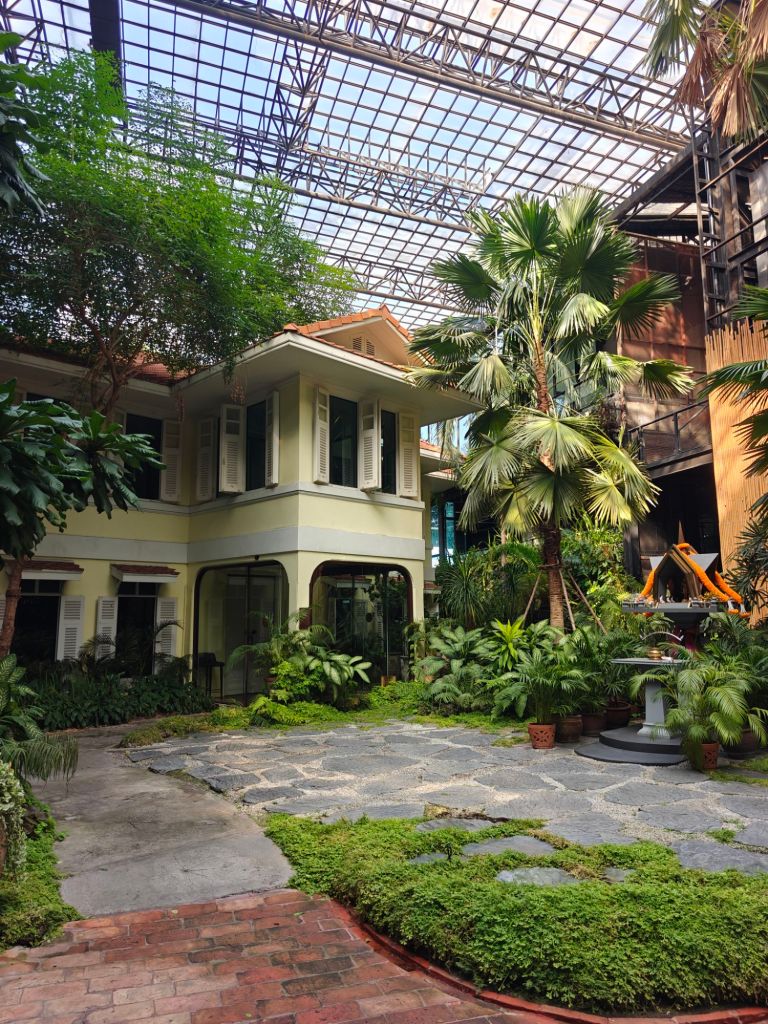
I went to Wana Yook expecting an interesting dinner. I left thinking about rice, the people who grow it, and a steak that has since occupied a frankly unreasonable amount of my attention.
But let me begin with the rice. The steak can wait. It had its moment. Several, actually.
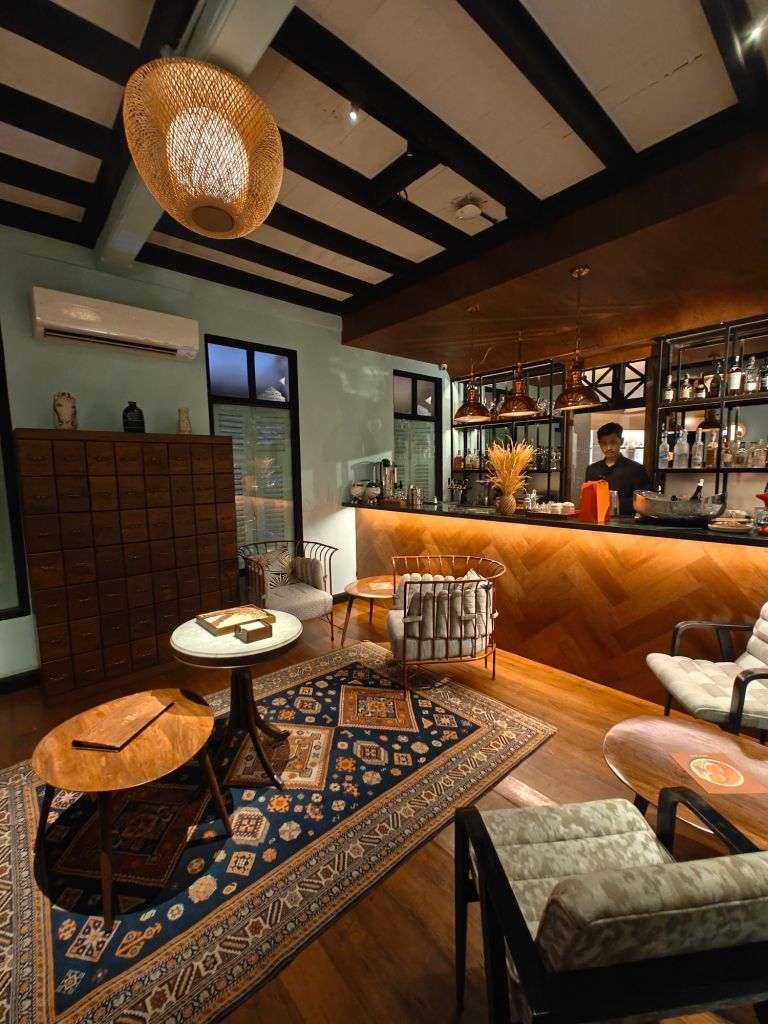
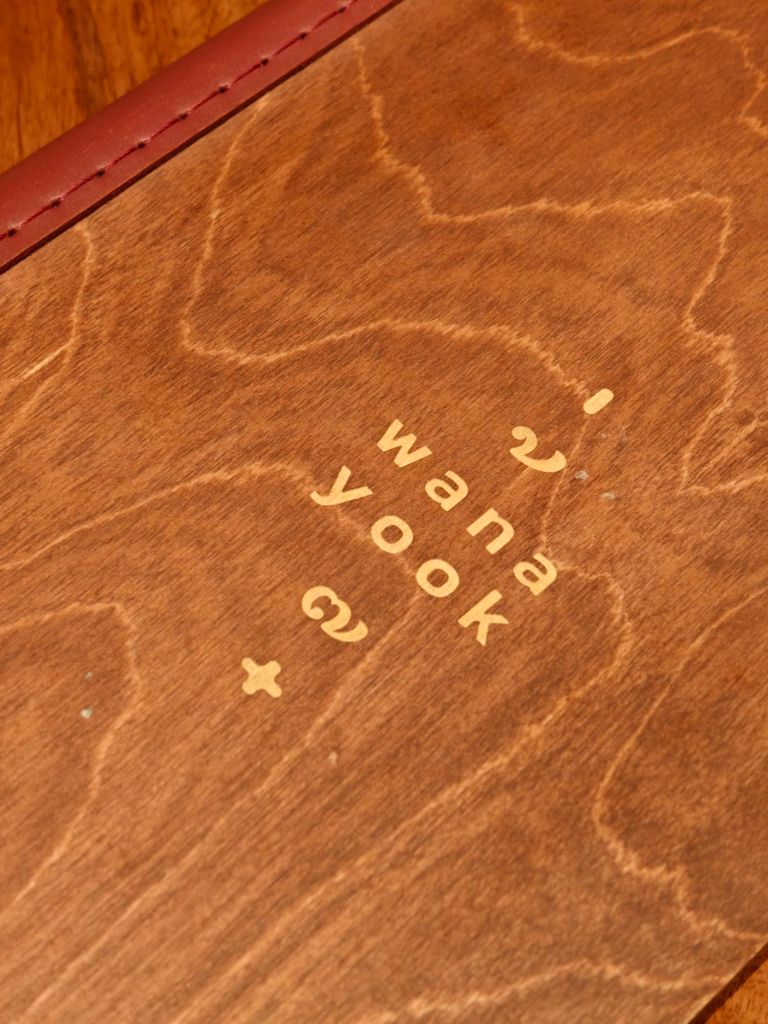
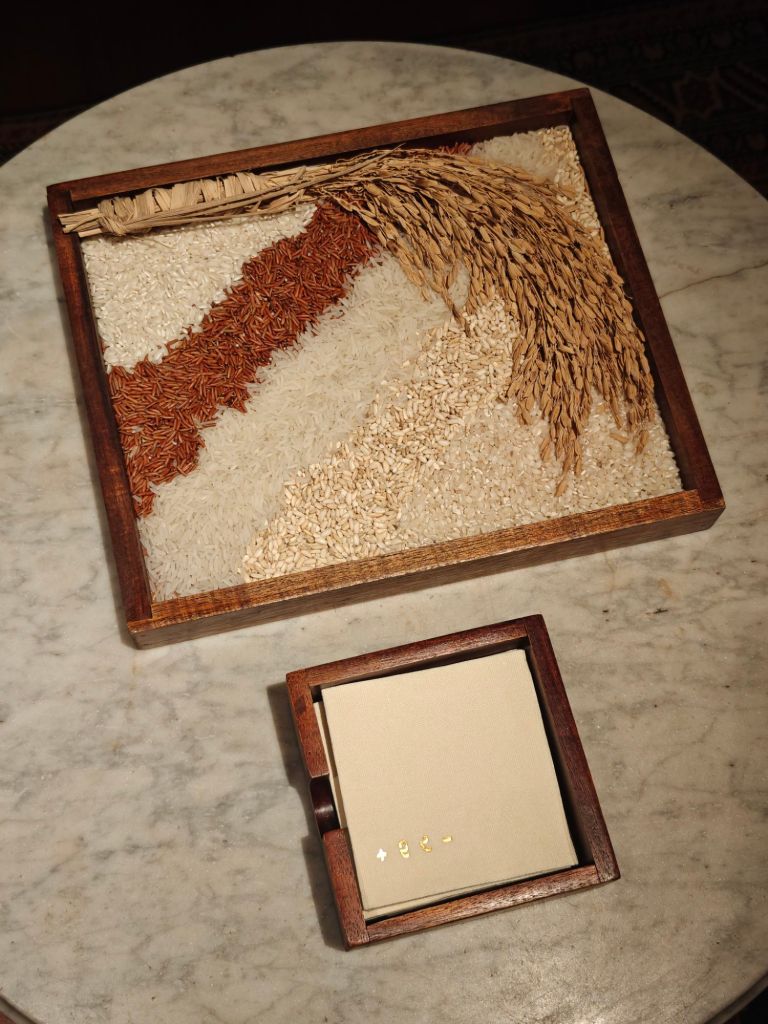
As someone who farms cacao and spends much of his working life tracing flavour back to soil, I have a soft spot for chefs who make you curious about an ingredient you thought you already understood. At Wana Yook, Chef Chalee Kader does precisely that with rice.
And coming from Goa, where rice is practically a member of the family, I was paying attention.
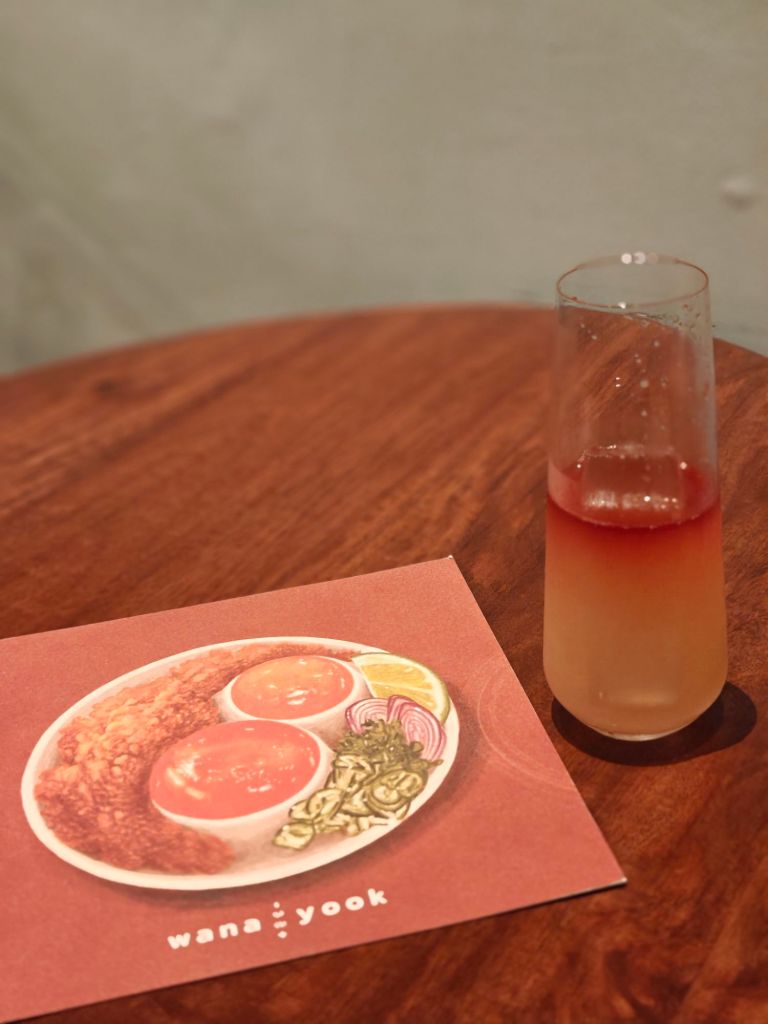
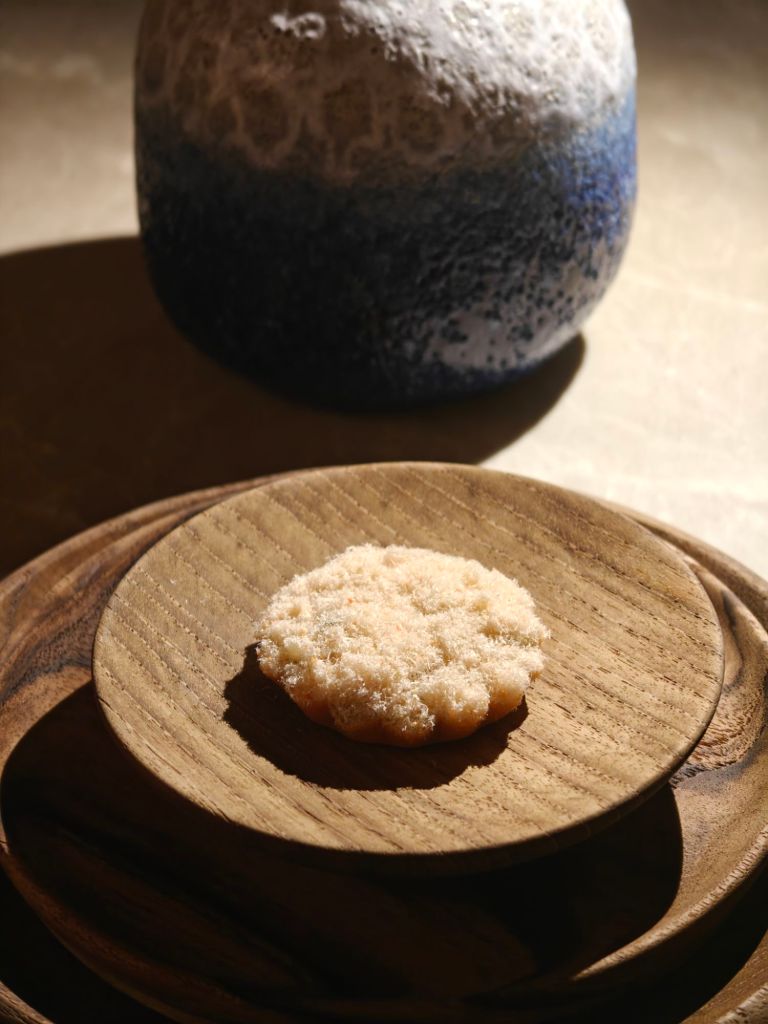
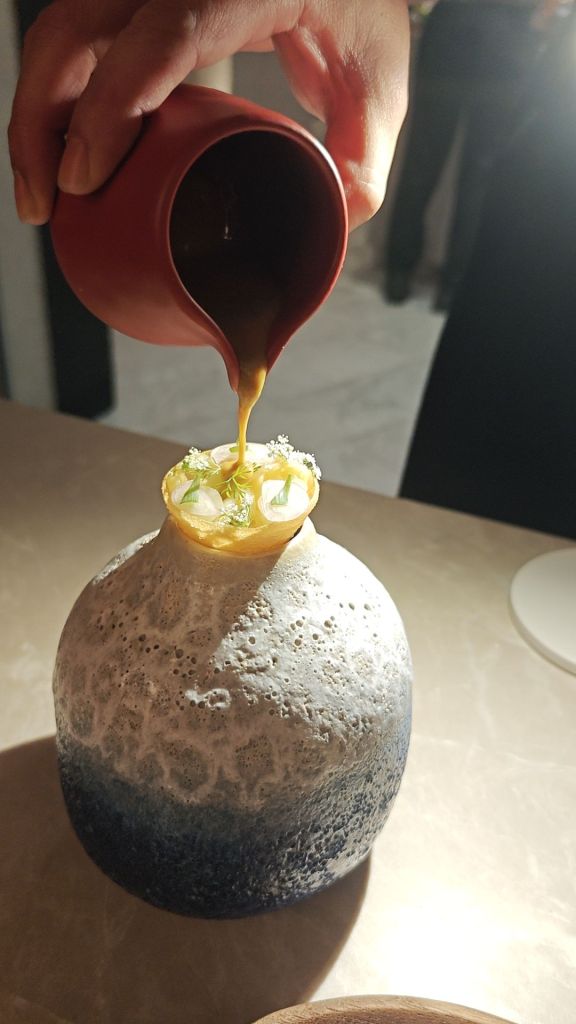
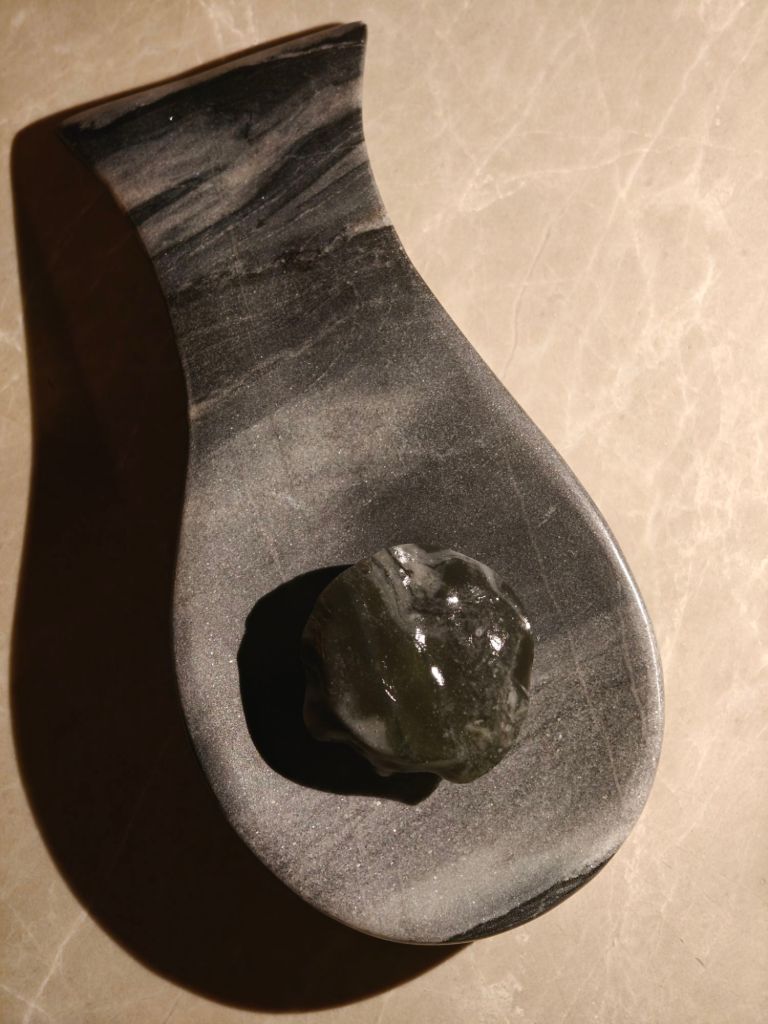
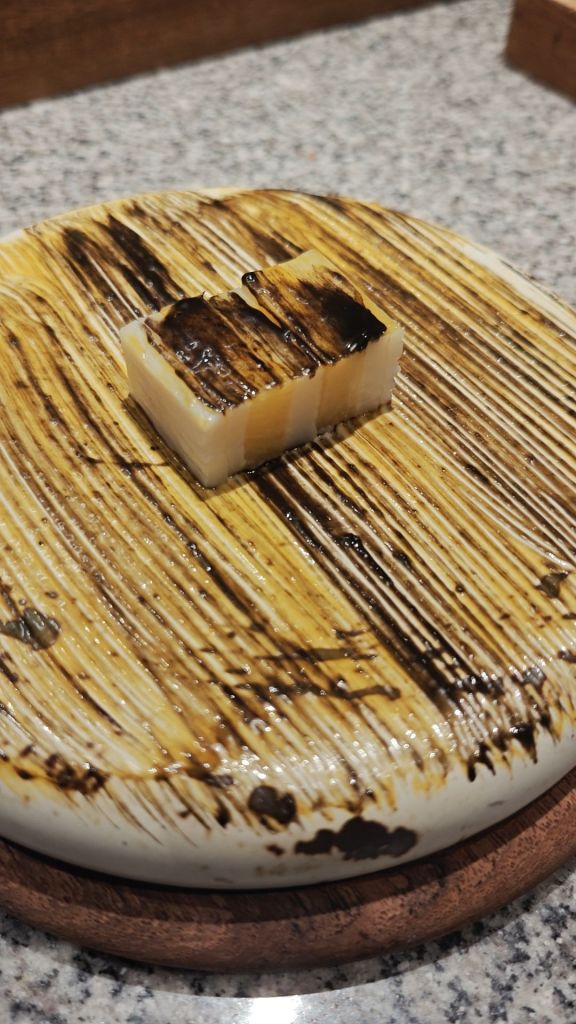
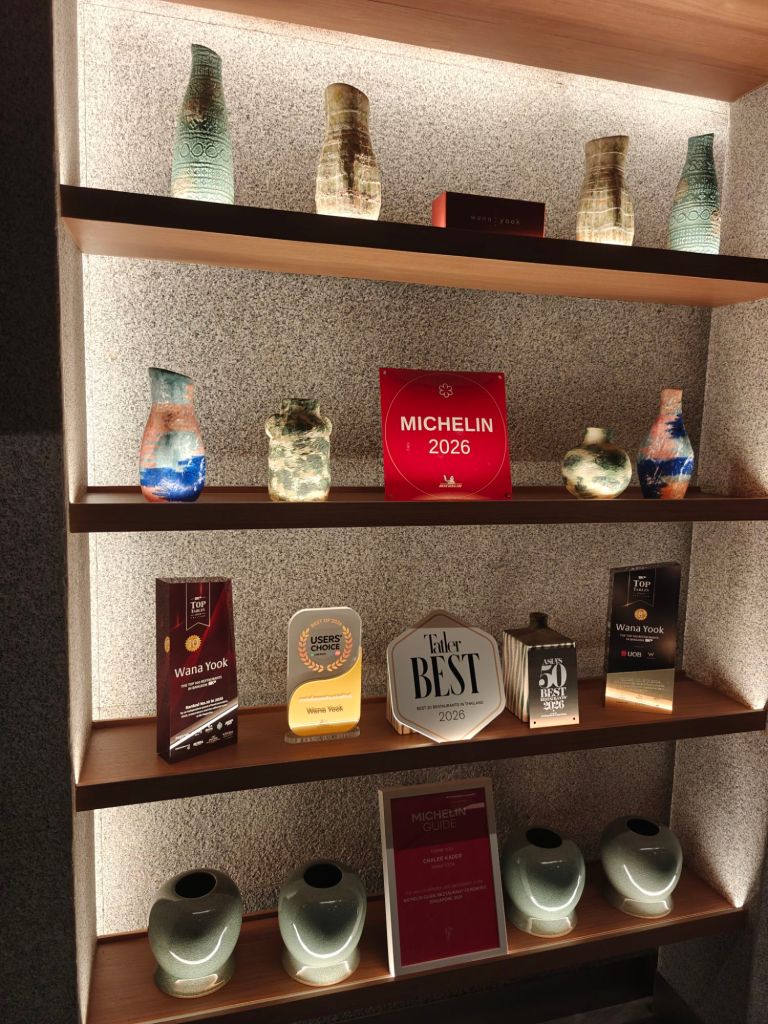
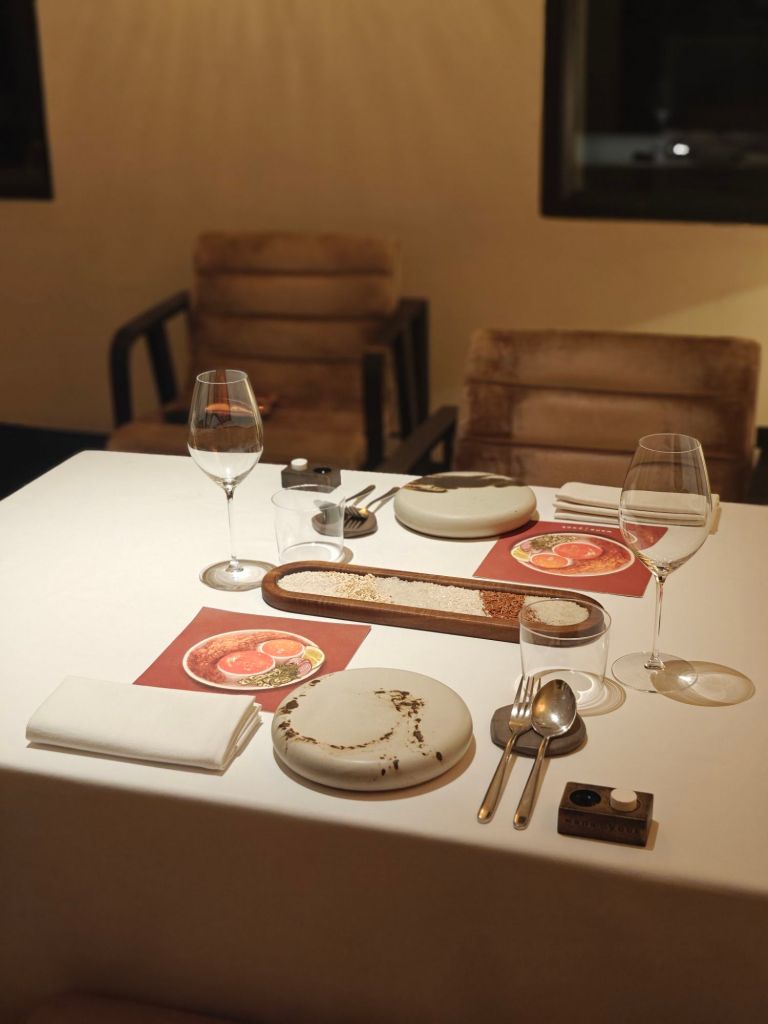
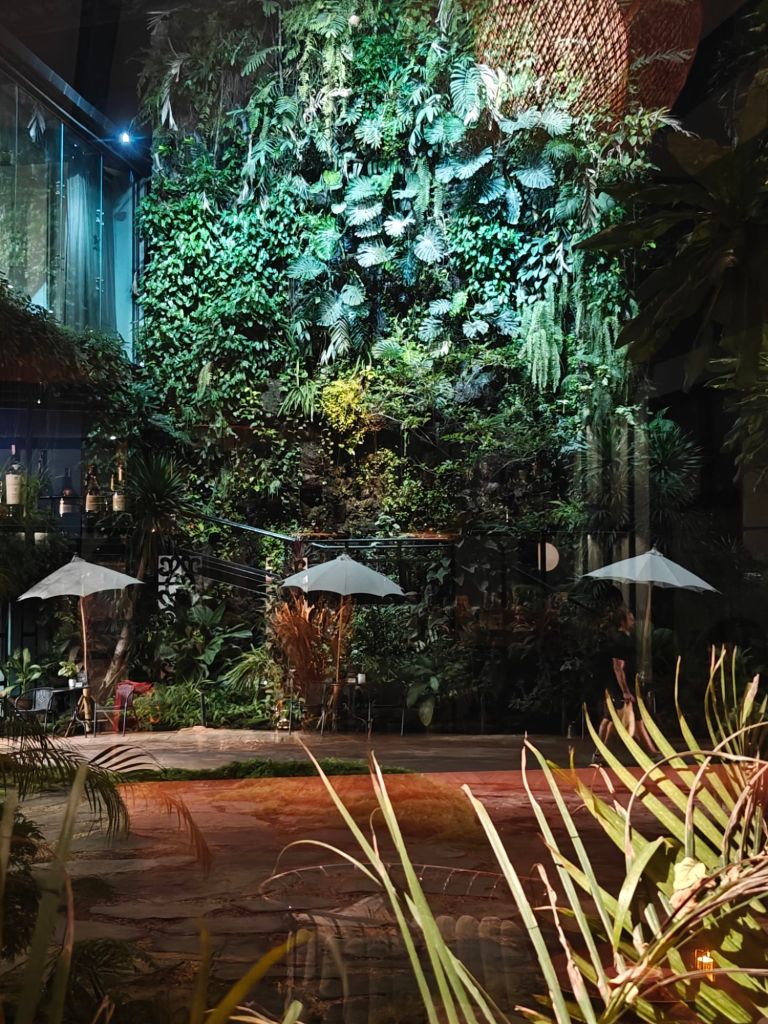
Within a historic colonial residence in Bangkok’s Phayathai, Chalee builds his tasting menu around khao gaeng: the familiar Thai practice of eating rice with curries and other accompaniments. Wana Yook holds one Michelin star in the 2026 guide, but what drew me in was the premise beneath the polish.
That last spoonful.
You know the one. A little rice, the remaining curry, a trace of relish, all those flavours finally getting properly acquainted. I have spent years pursuing that spoonful without realising it might warrant a tasting menu. Chalee, evidently, was better organised.
Rice, producers, agriculture and khao gaeng culture form the restaurant’s four pillars. This is where the farmer in me leaned forward. Regional varieties and the people behind them give a meal depth long before anything reaches the pass. I like knowing whose work I am eating. It makes pleasure more specific.
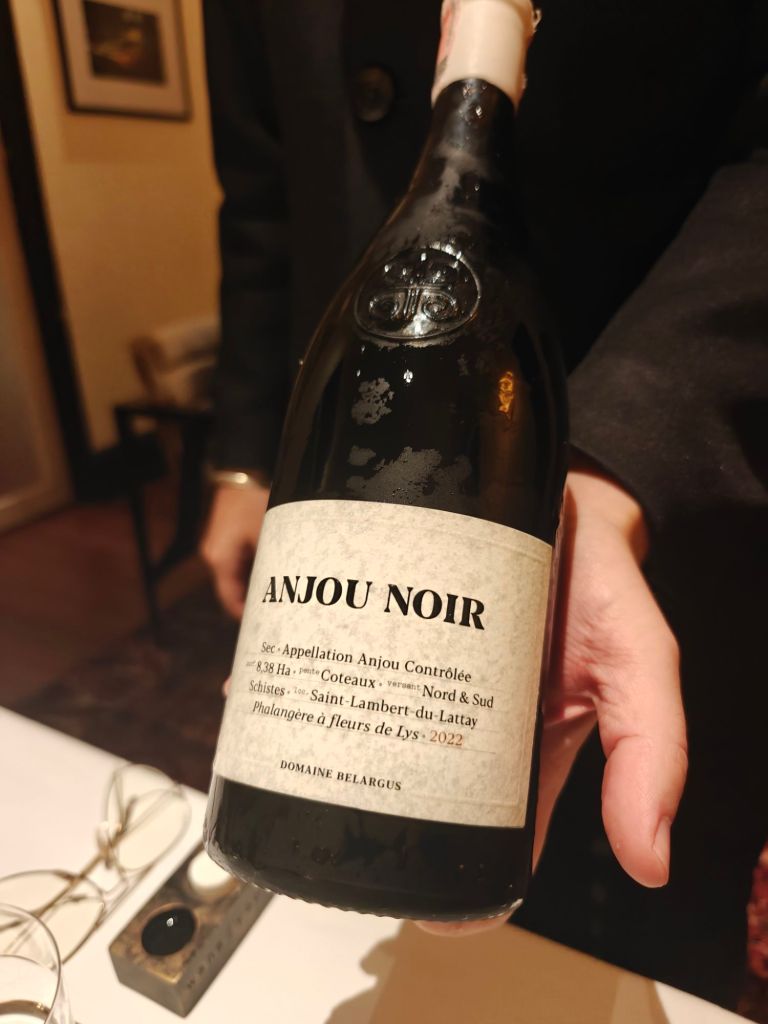
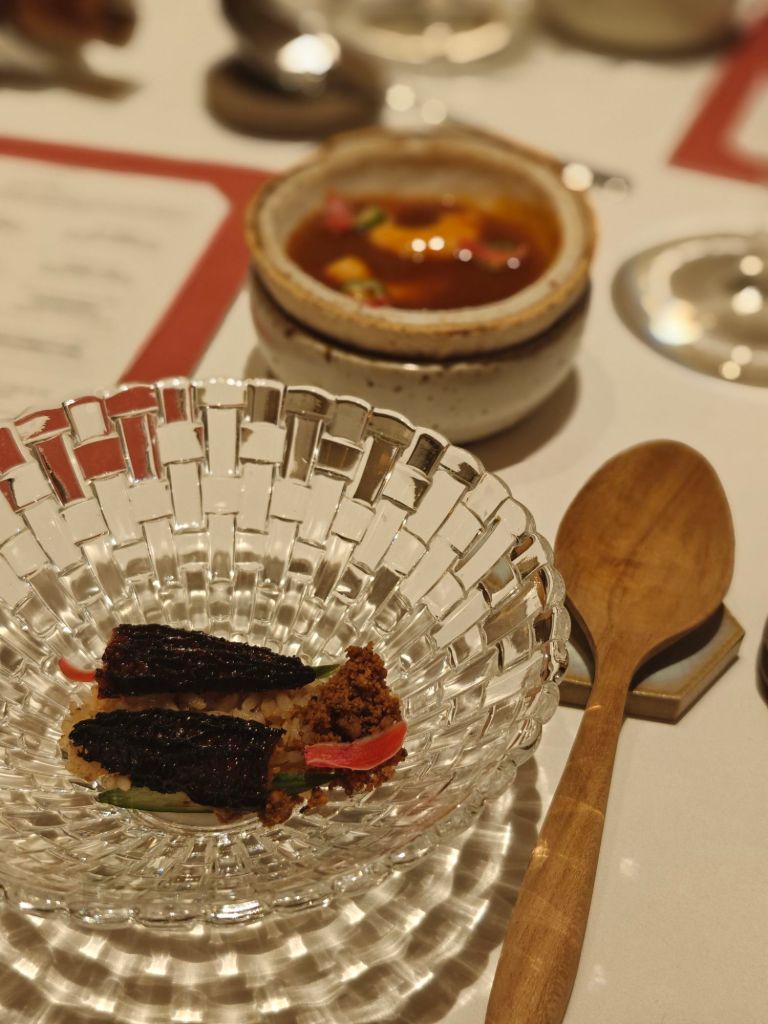
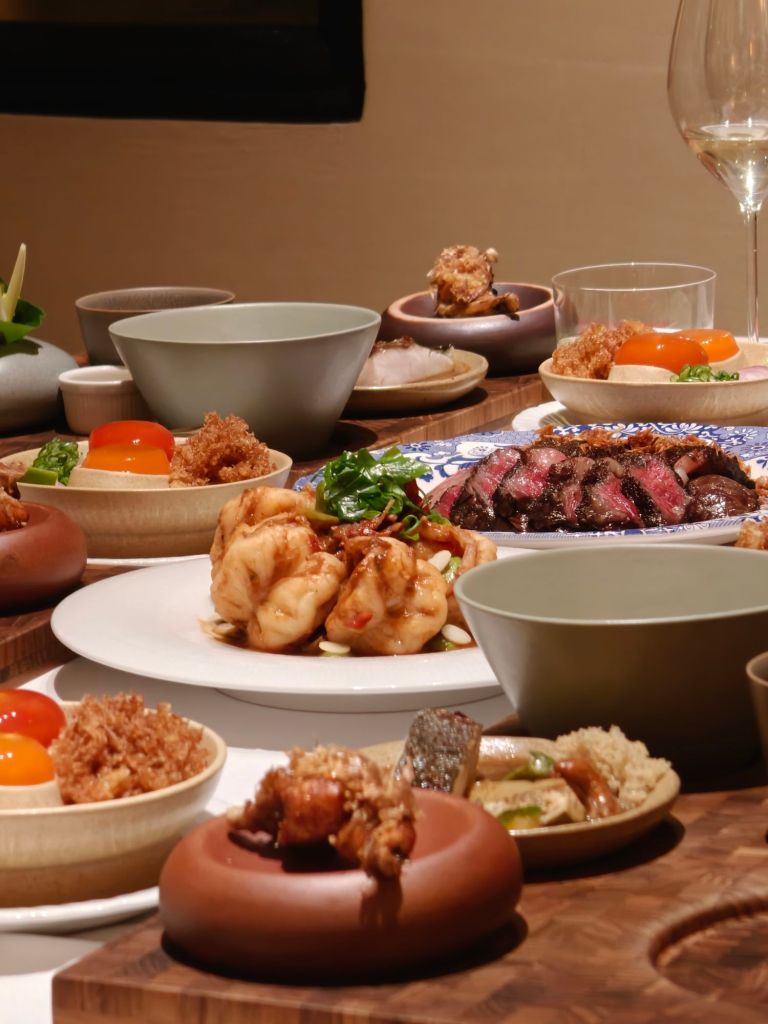
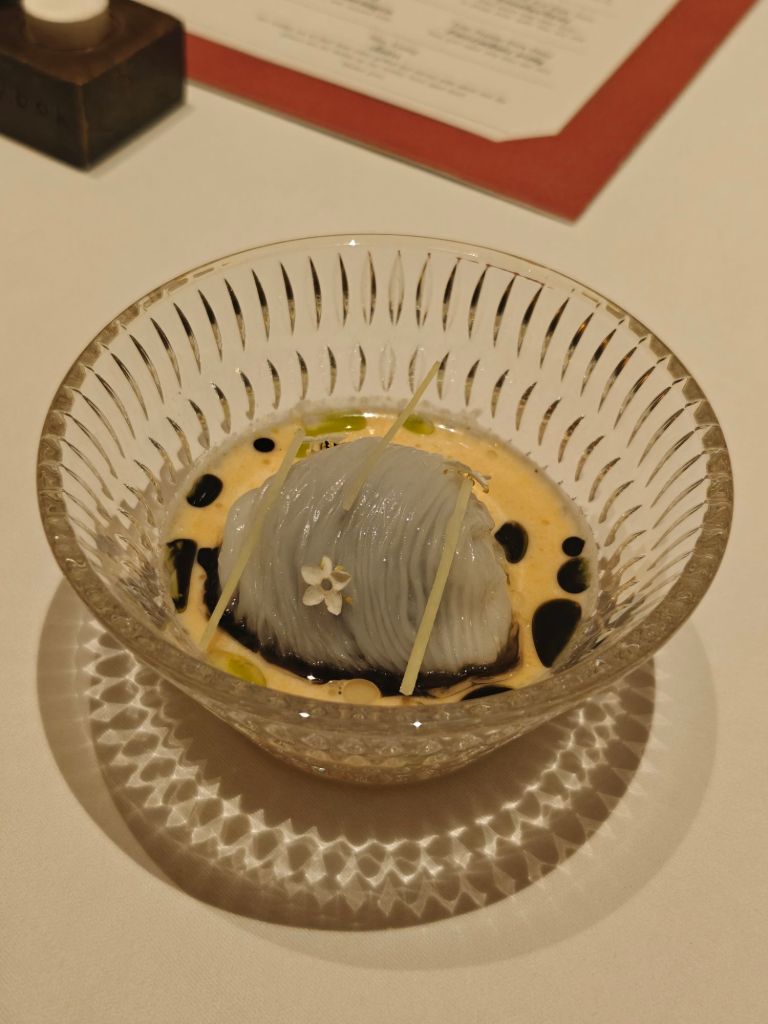
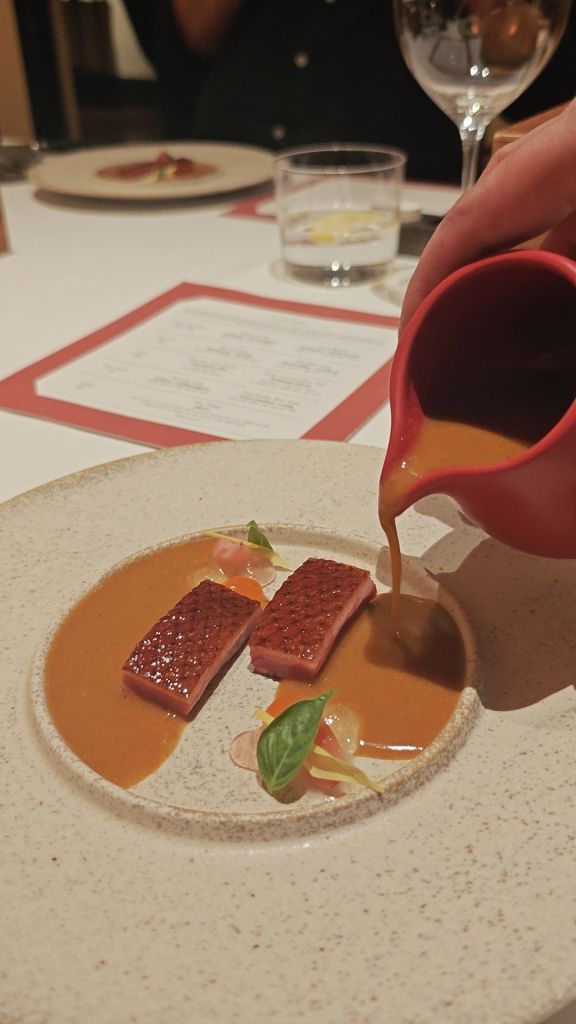
What I warmed to in Chalee’s cooking was the personality coming through the choices: curious, assured, with enough playfulness to keep an elaborate meal feeling alive. I found myself following his train of thought, wondering why he had brought certain ingredients together.
Kao Soy, Kao Yum, Guava opened the conversation. Goby and krill appeared under “Daily Relish”, a reminder that something served in a small quantity can carry a substantial amount of culture.
I have considerable respect for a kitchen that gives a relish its due. Anyone raised around good pickles will understand.
Reef squid with pineapple, sour orange curry and squid ink caught my attention for the company it kept. There was plenty to contemplate in that combination, although I remain firmly of the opinion that dinner should be eaten before it is turned into a dissertation.
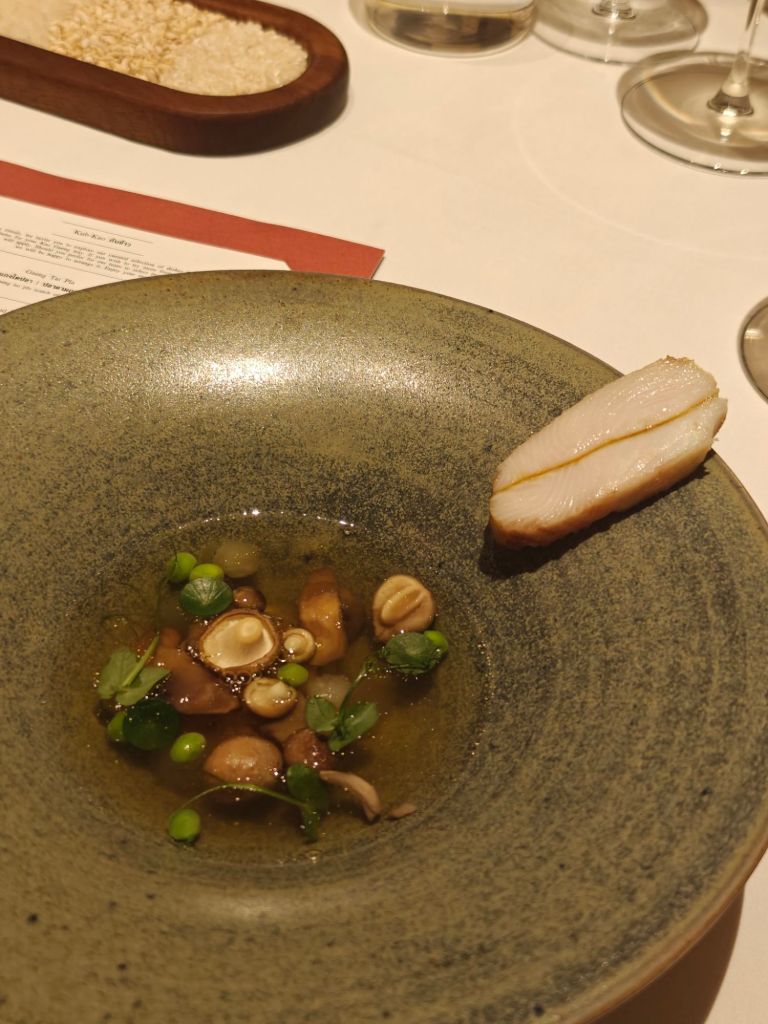
The grey pomfret came with wild mushroom and “last year’s plum”. I loved that phrase. Last year’s plum. An ingredient with a past, given something useful to do in the present. For a restaurant concerned with time and memory, it felt entirely at home.
Curry tumis, shrimp and coconut rice brought my attention back to the grain itself. I kept thinking about how often we discuss the curry at length and wave the rice through without so much as an introduction.
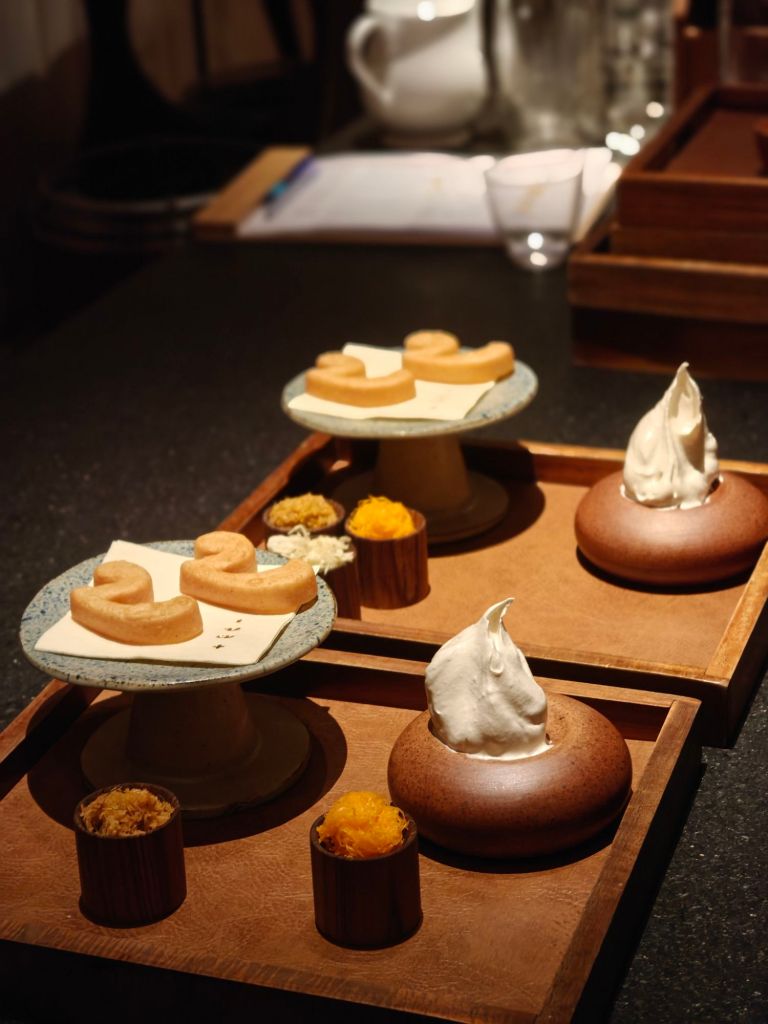
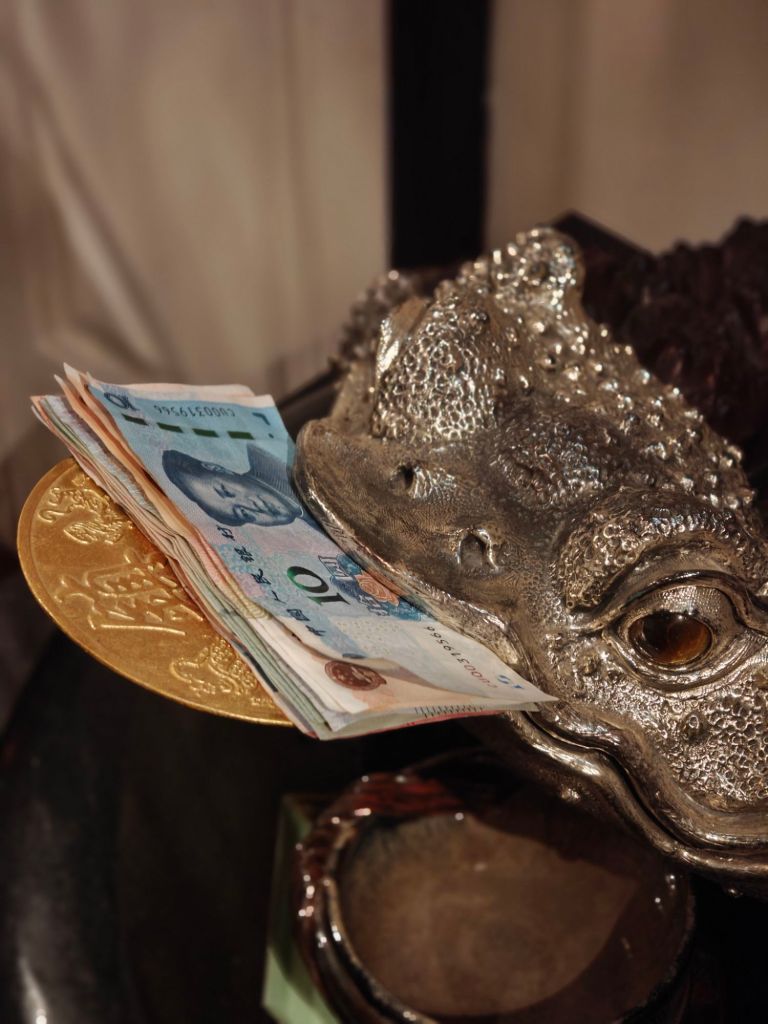
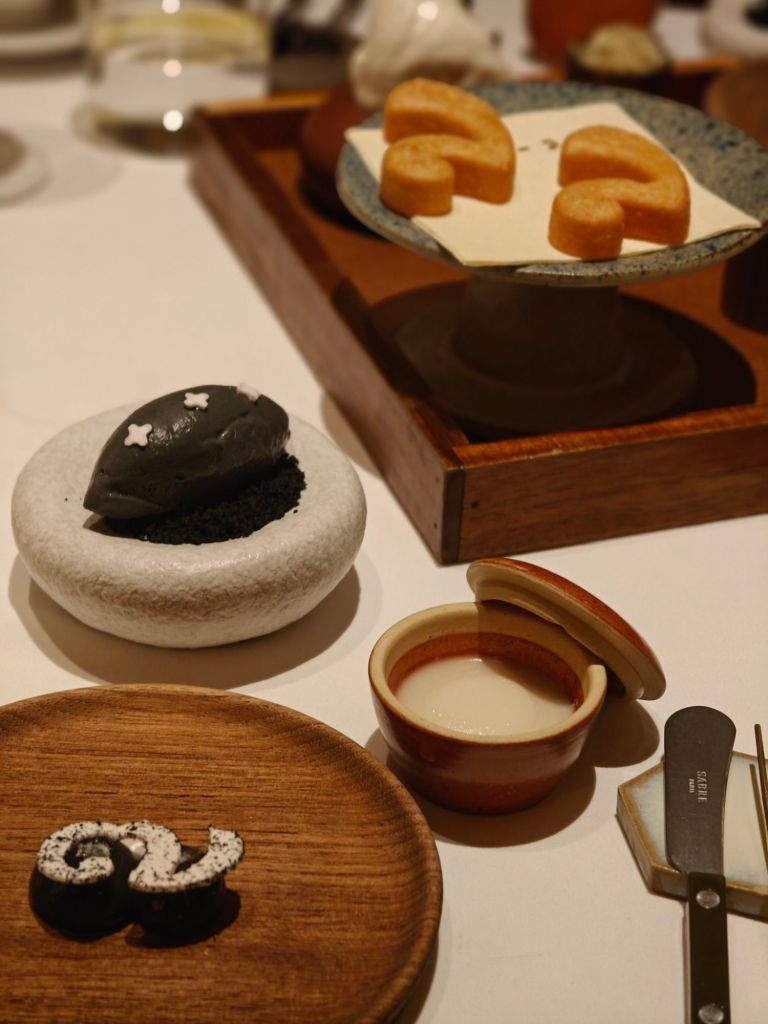
The roast duck, with gaeng ped, langsat and Bengal currant, and the Pakmoh Baenki caviar dumplings with coconut and crab gave me more reasons to enjoy Chalee’s appetite for interesting combinations. There is pleasure in encountering a chef’s imagination this way—one course at a time, with your own curiosity keeping pace.
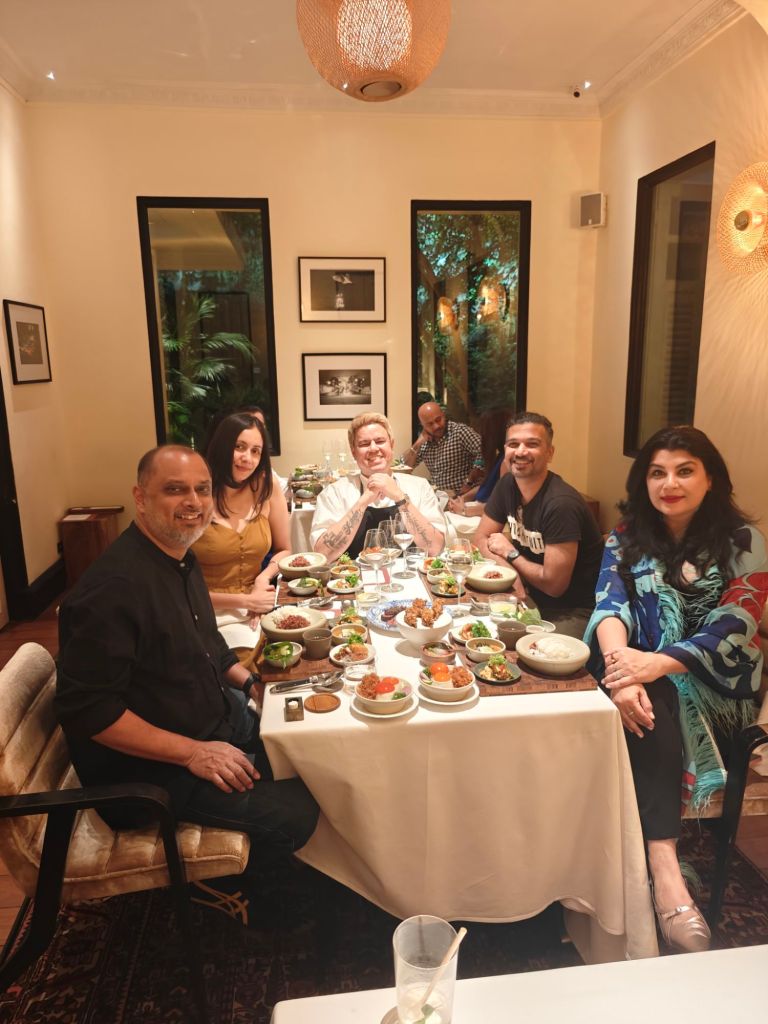
Then came the khao gaeng selection, where the menu invited us to choose three accompaniments for our tray. A small exercise in decision-making, presented to someone who considers “one of everything” a perfectly reasonable starting position.
Under Kub-Kao, the dishes to eat with rice, the choices moved through curries, stir-fries, fried dishes and Thai salads. Gaeng Tai Pla featured the catch of the day; Gaeng Panang offered braised beef shanks. The stir-fries brought fermented pork together with squid in Pud Nam Moo, while Pud Buab Liam paired crab, egg and ridge gourd.
Ridge gourd at a Michelin-starred table made me smile. I like seeing an everyday vegetable given good company and proper attention.
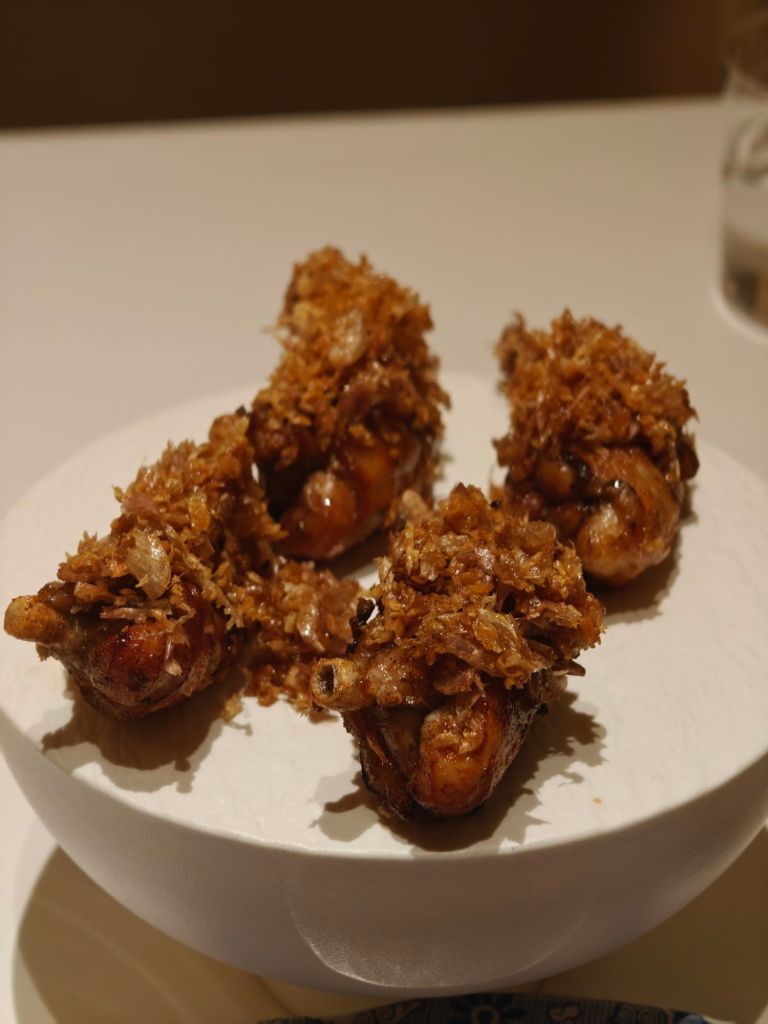
Elsewhere, there were frog legs fried with garlic and pepper, and prawns with bitter beans, shrimp paste, kaffir lime and chilli. Even on paper, the latter was a persuasive little gathering. The salads offered grilled chicken with seasonal fruits, or pork jowl with lime and chilli—more opportunities to negotiate richness, freshness and what might happen in that final spoonful.
For me, this part of the menu made the restaurant’s idea tangible. You could compose your own meal within Chalee’s cooking, following an appetite rather than simply following a sequence.
And then there was the steak.
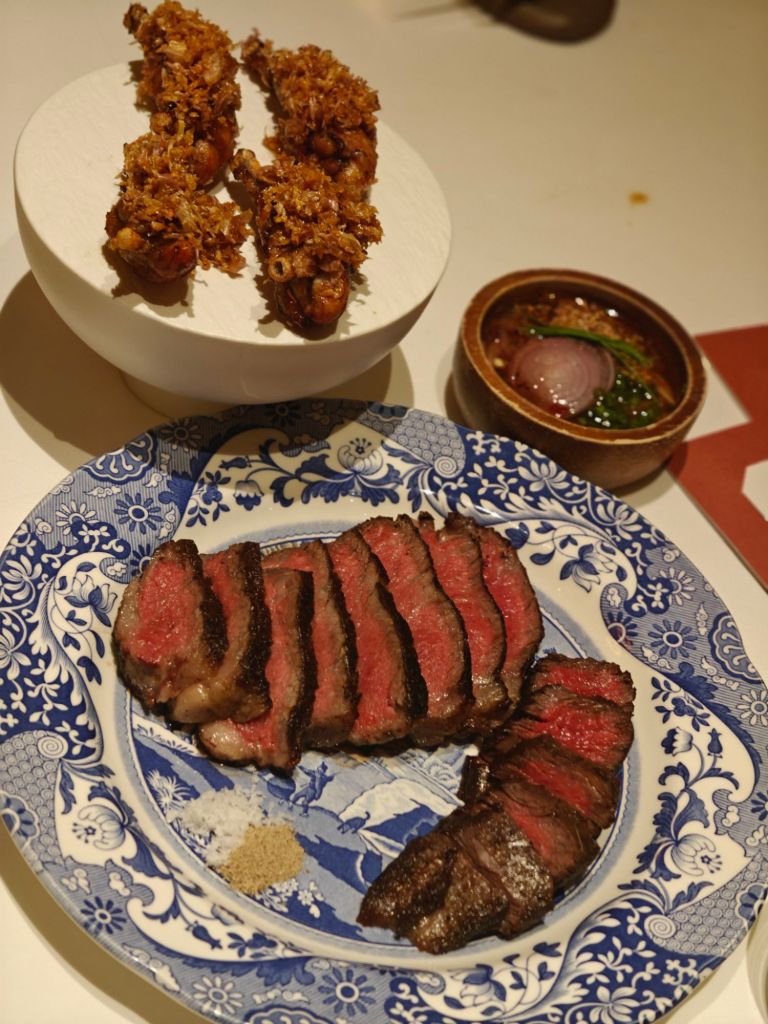
Nua Yaang, to give it its place on the menu: a weekly cut of grilled beef served with relish and dip, with the kitchen inviting diners to ask about its local aged beef.
I would love to remain academically composed about it. Unfortunately, I enjoyed it far too much.
In an evening with so much to consider, the steak became a highlight in its own right. It is the course I keep mentioning when people ask me about dinner, usually after I have given them a perfectly respectable explanation of rice and Thai food culture.
“Yes, yes, fascinating,” I can hear them thinking. “But tell us about the steak.”
Quite right.
The relish and dip kept it within the meal’s wider conversation, but the beef earned attention of its own. I am happy to discuss agriculture, culinary heritage and the architecture of a tasting menu. I am equally happy to admit that sometimes the most honest review is: I would very much like to eat that again.
The sake stayed with me, too. With rice running through the evening, finding it in the glass gave me another reason to appreciate the grain’s range. This is the sort of detail that pleases the culinary anthropologist in me.
The rest of me was simply enjoying the sake. We got along beautifully.
If you dine at Wana Yook, ask about the rice. Ask about its region, its grower and its place beside a particular curry. Ask about the weekly beef, too. Give those answers a little attention; they add something to what is already on your plate.
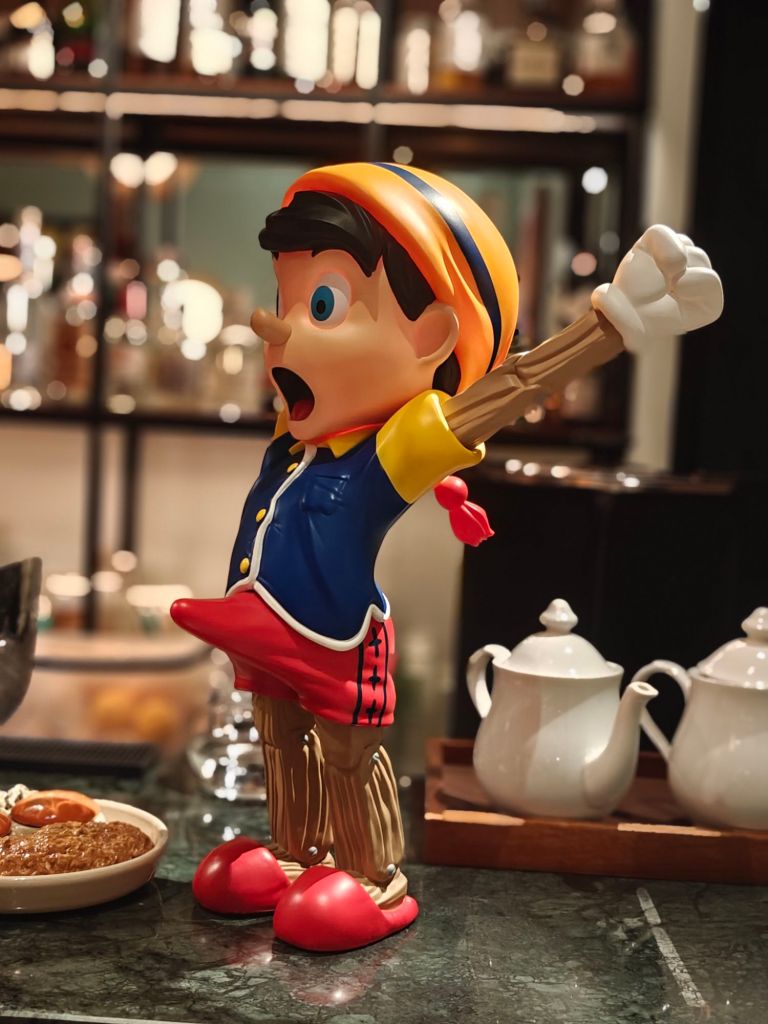
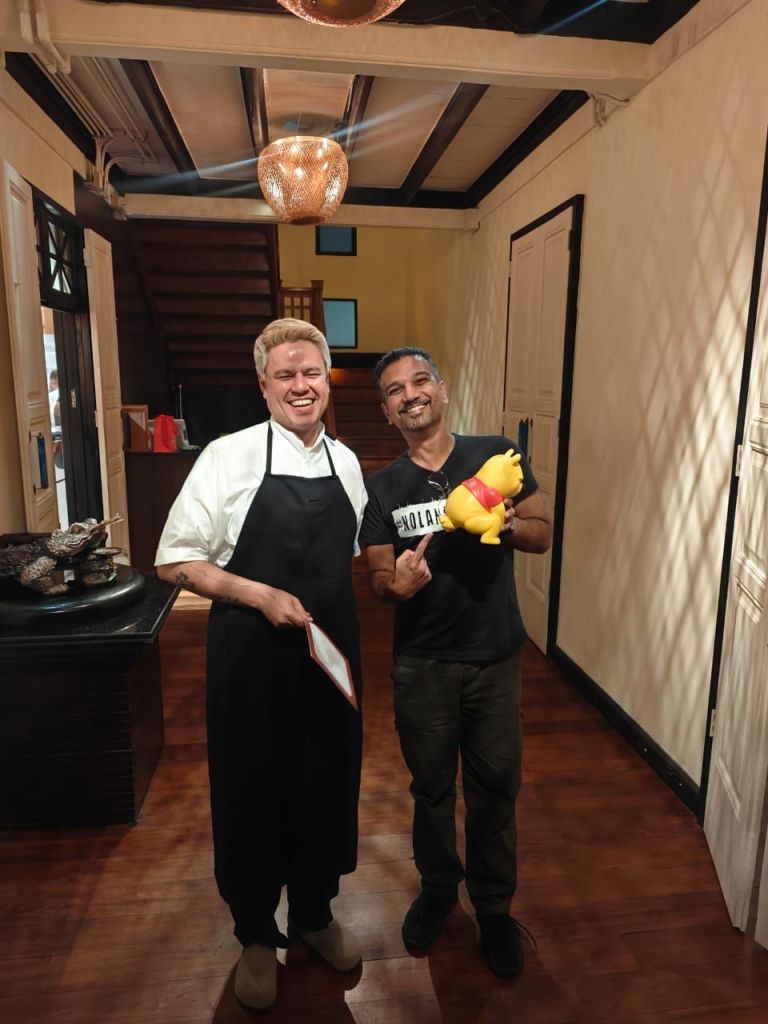
I left with an affection for Chalee’s way of thinking. He had taken a familiar meal and given me fresh reasons to care about it. For someone who believes deeply in the connection between land, grower and table, that felt personal.
I also left with a renewed appreciation for the final spoonful.
And a small, ongoing attachment to the steak.

