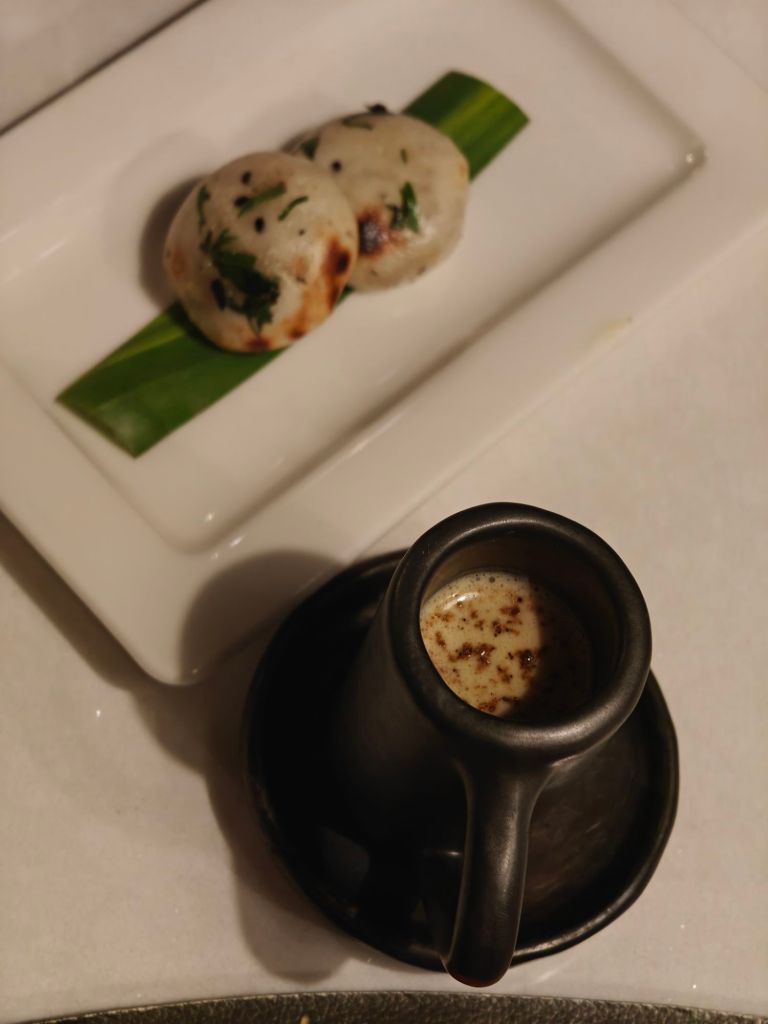
The trouble with serving two pieces of kothimbir vadi is that it encourages a certain fiction about sharing. At the Indian Accent pop-up at Heliconia, JW Marriott Goa, mine lasted about as long as it took to get some chilli-peanut thecha onto a crisp corner.
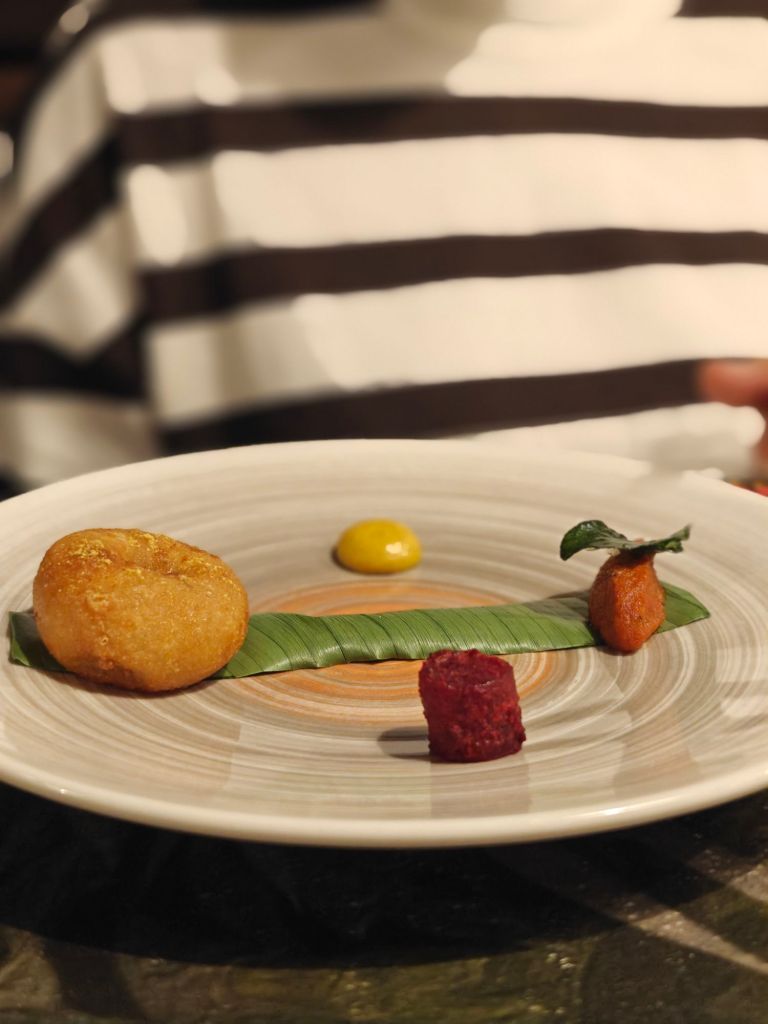
The vadi was fragrant with coriander, soft where it broke open, and just sturdy enough to carry a little more thecha than was strictly advisable. The second piece settled the matter.
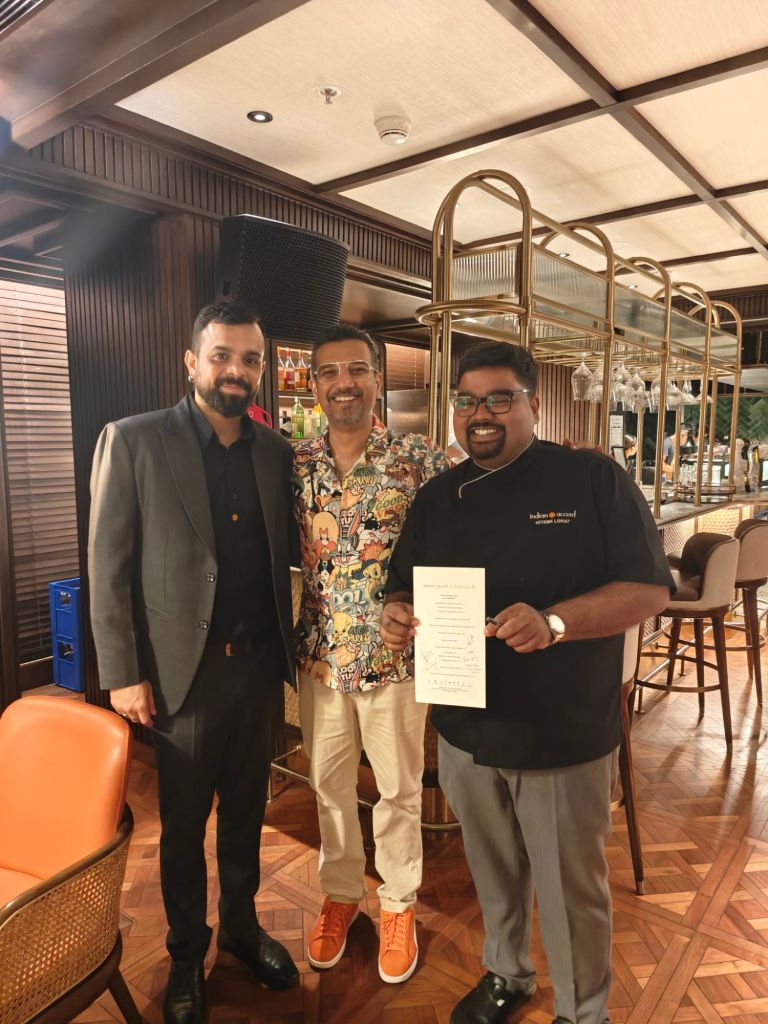
Chef Hitesh had taken over the kitchen and Ravi was conducting the room with the precision of a man who could probably land an aircraft between courses. What I appreciated was how little you saw of the work. We had time to talk, and the food had a habit of arriving just as I was getting to the good part of a story. After a while I took the hint.
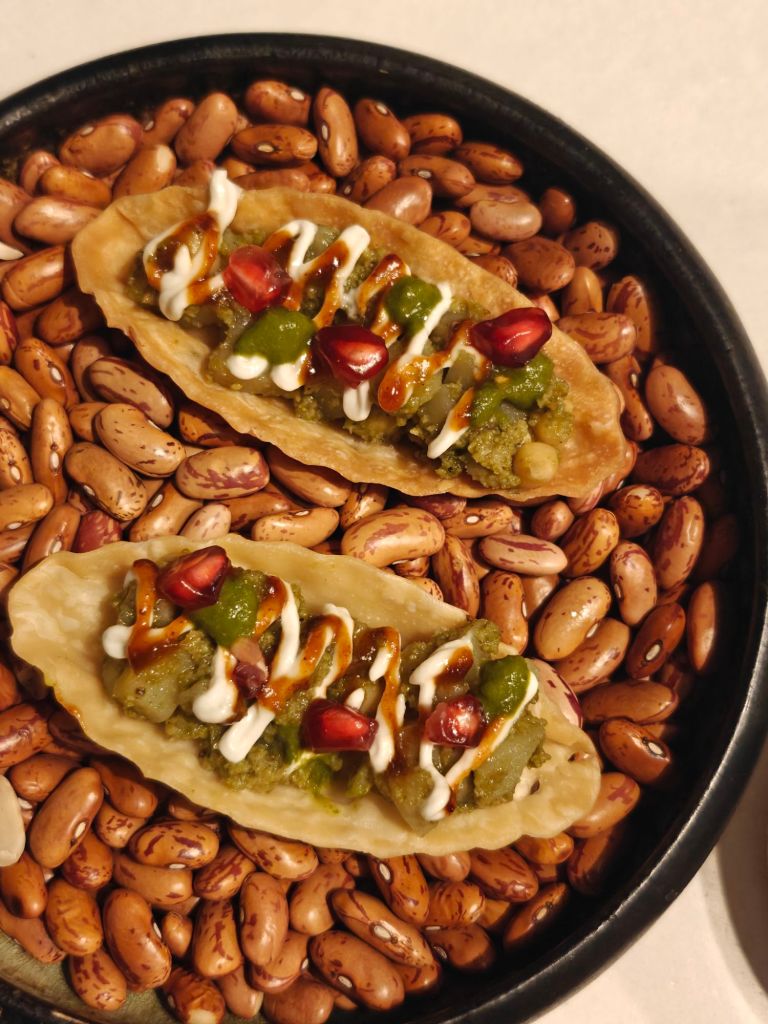
The Delhi chaat came in thin, blistered shells. The first bite cracked straight through to the chutneys, sweet and tart and generous enough to make a napkin necessary. Then a pomegranate seed burst and freshened the whole mouthful. The wild mushroom pâté on dirty toast was darker, earthier stuff. I liked the way the toast held its crunch under that thick smear of mushroom. Then came the beetroot and peanut chop, sweet at the centre, with mustard sharp enough to make itself heard through the coconut. I’d have happily gone another round with any of the three.
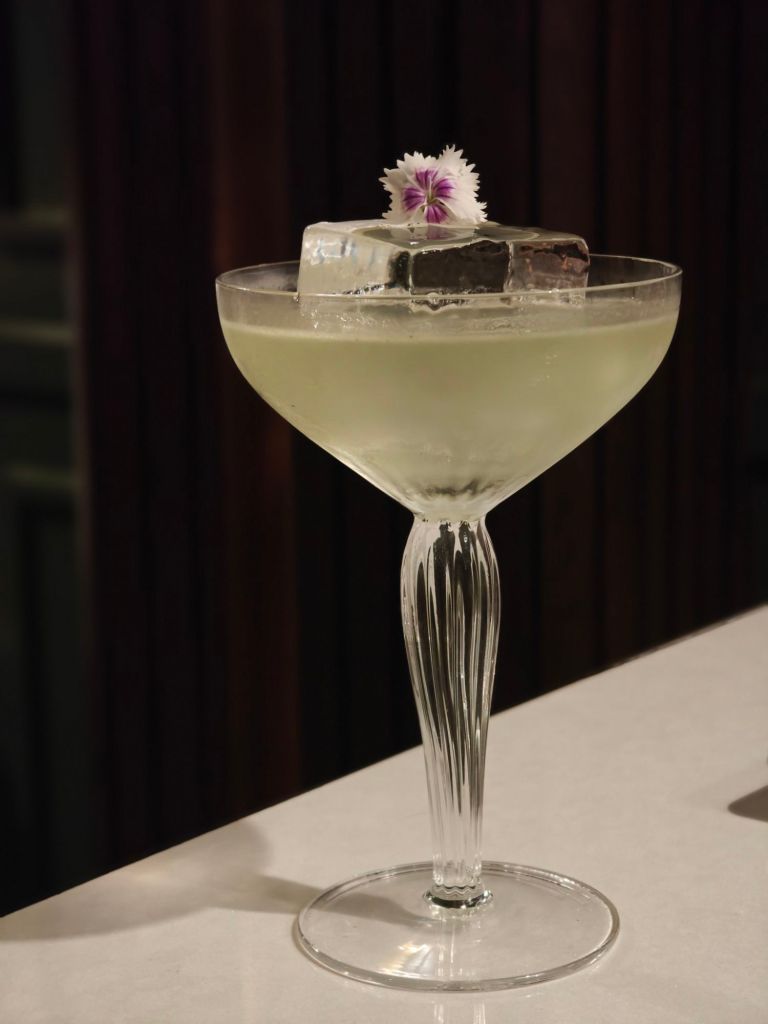
Thecha Martini made a particularly good companion to all this. Peanut butter fat-washed gin gave it a soft, nutty roundness, and the coriander smelled freshly bruised. I took a second sip before the green chilli from the first had finished introducing itself. The glass looked terribly well brought up. I should have known better.
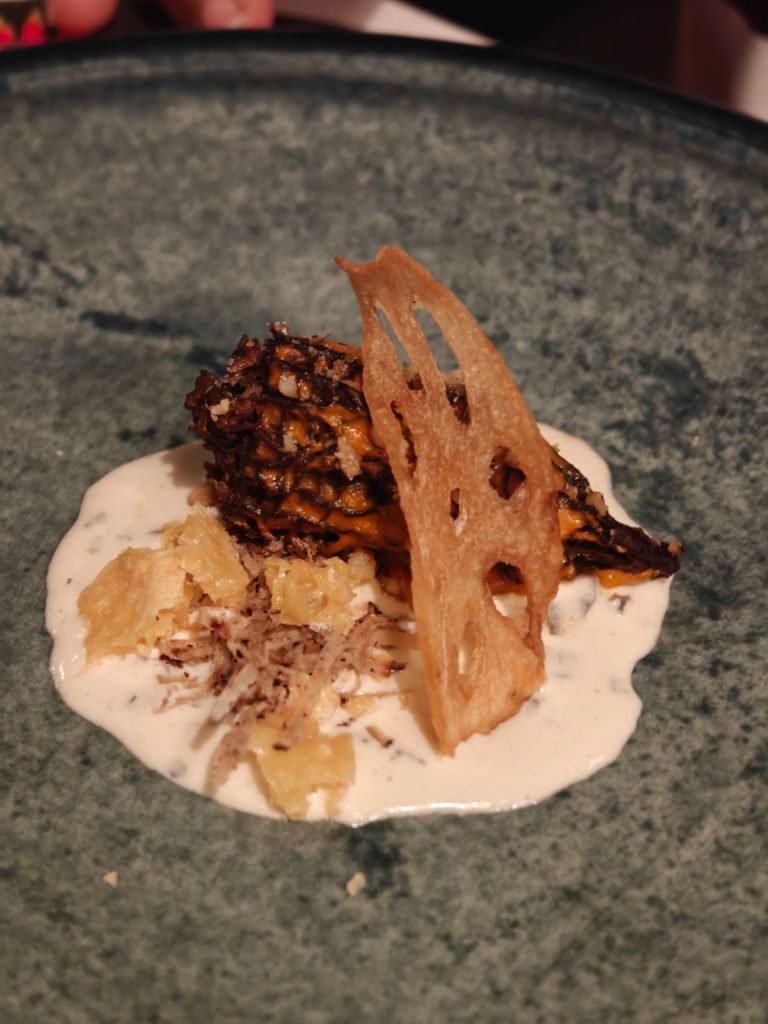
I took my time with the Kashmiri morel mussallam. The folds of the morel held the green chilli cream, so each bite began rich and finished with a little heat. Fresh truffle added a damp, woodland fragrance that made me pause with the fork halfway up. The tofu medu vadai had its own pleasure, especially when I got the sweet pearl onion chutney and the dry, toasted grit of Madras gunpowder in the same bite. A spoonful of sorbet and I was ready to make several poor decisions around bread.
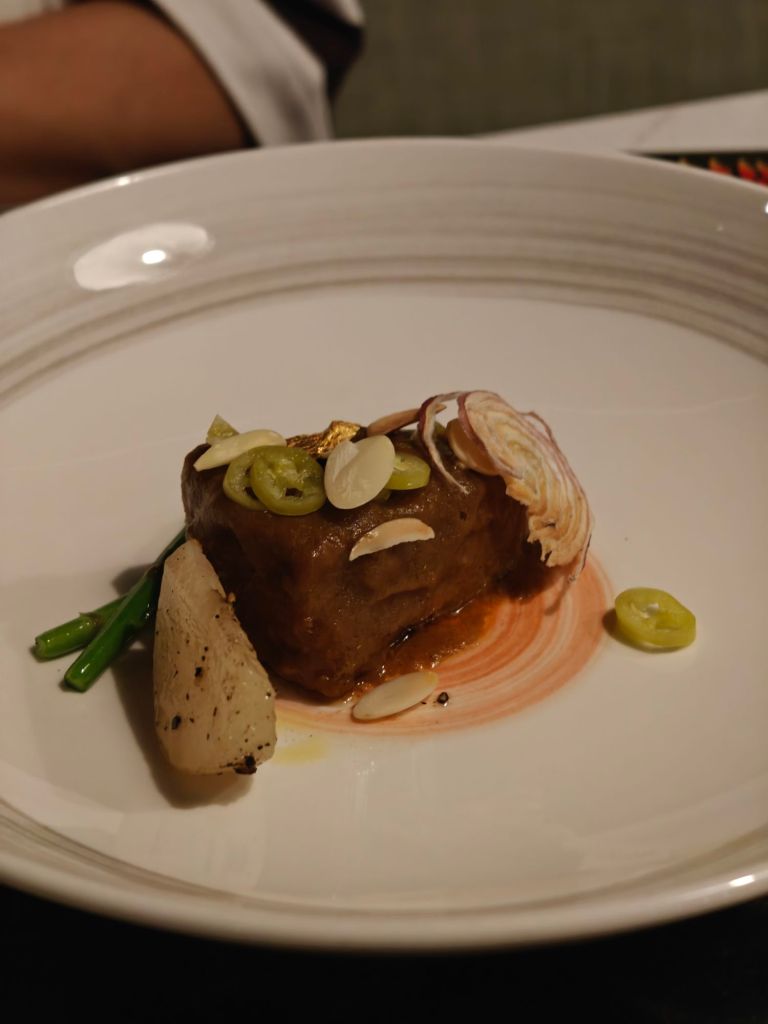
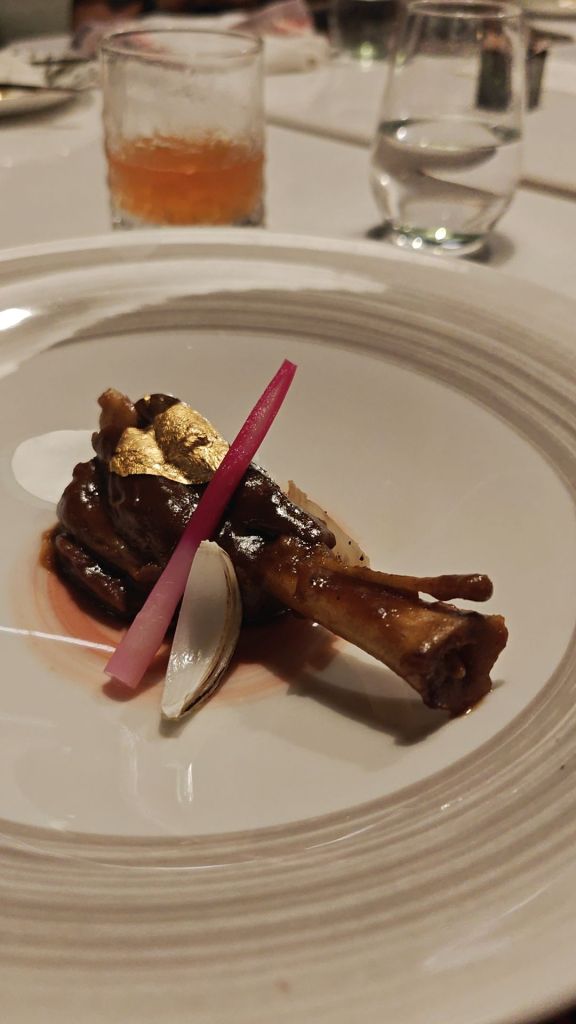
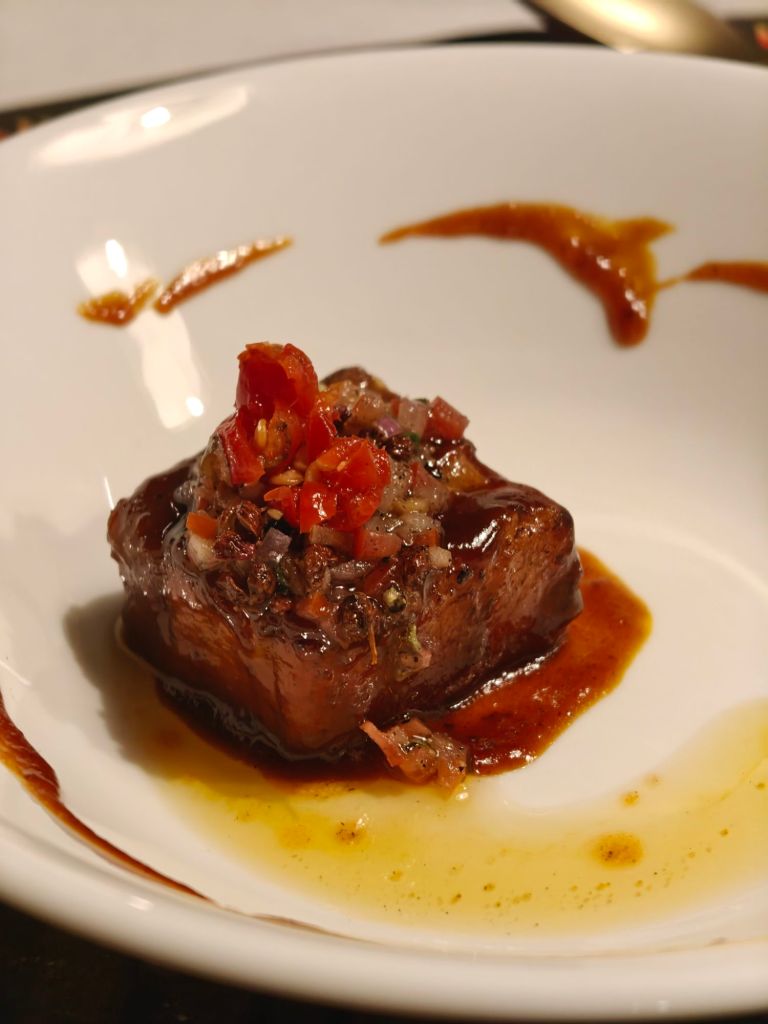
The jackfruit in the almond nihari came apart in soft strands, each one slick with gravy. A bite of pickle sharpened things up nicely. Then the black dairy dal got hold of me. I tore off a corner of kulcha, dragged it through the dal and followed it with a spoonful of cool jakhiya and mint boondi raita. At some point I started tearing the bread specifically to fit the curve of the plate. I consider this a legitimate use of geometry.
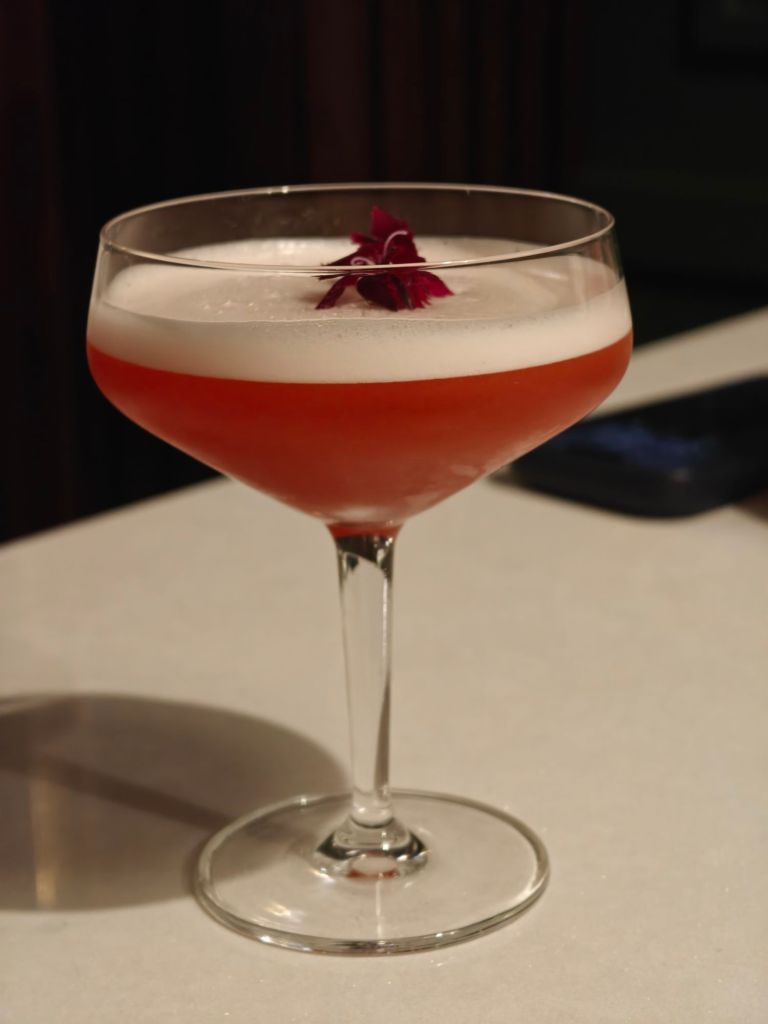
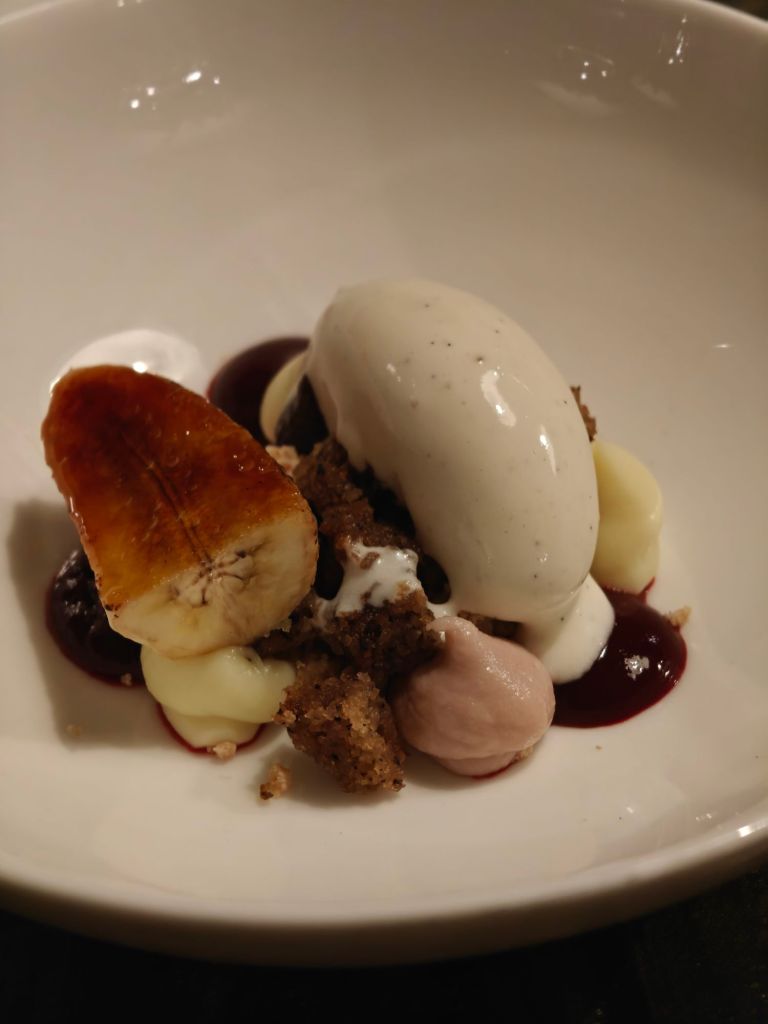
The Jalebi Royal smelled of a mithai counter, all saffron and cardamom, with white rum and a bright crackle of sparkling lemonade. That tart fizz was especially welcome after I dragged a sticky loop of jalebi through the thick rabdi. The banana split followed, with fragrant velchi banana jam and caramel taken just far enough to leave a lovely bitter edge. I said I was done. By then, everyone had heard that before.
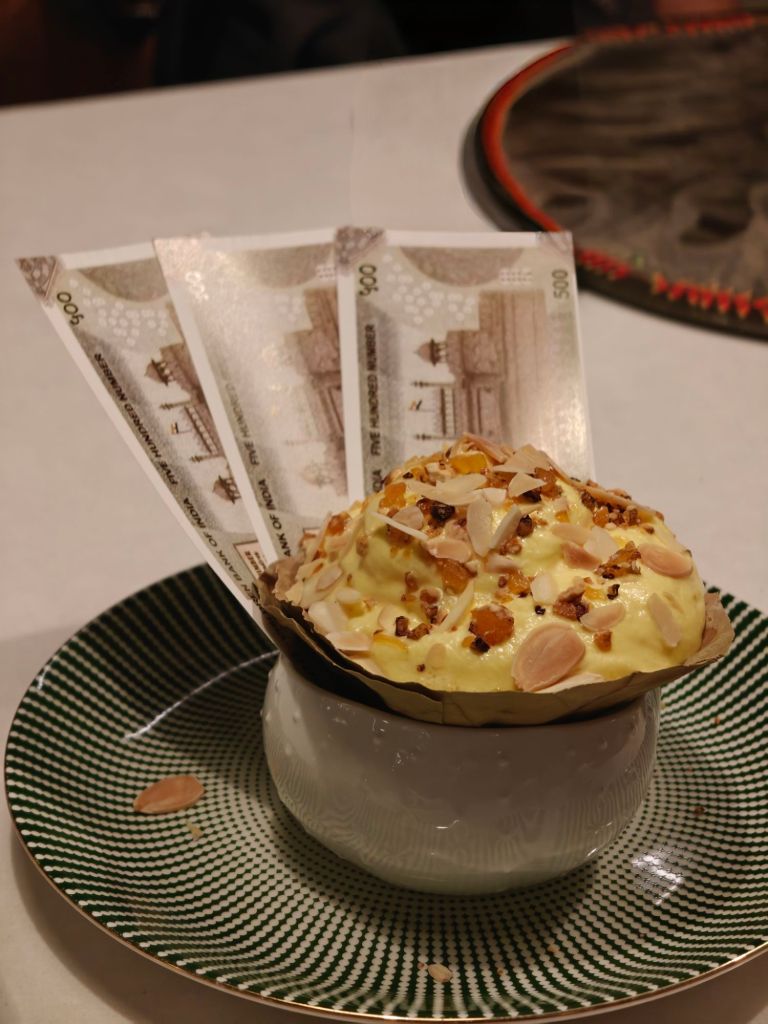
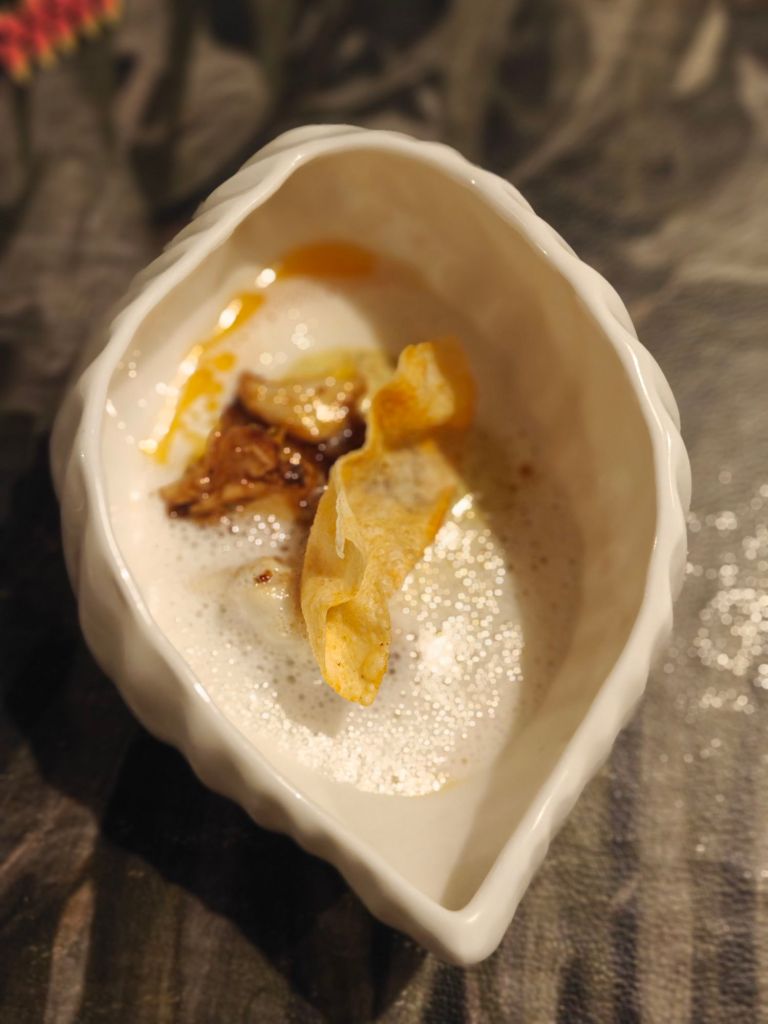
And then, off-menu, came Daulat Ki Chaat. Old Delhi’s winter-morning sweet is essentially a spoonful of milk froth, the sort of thing you seek out before the sun gets to it. Indian Accent’s version all but disappeared on my tongue, leaving the snap of rose-petal chikki and the warm nuttiness of roasted almond. I’d spent half the evening negotiating with my appetite. Here, finally, was a dessert I could plausibly describe as breathing.
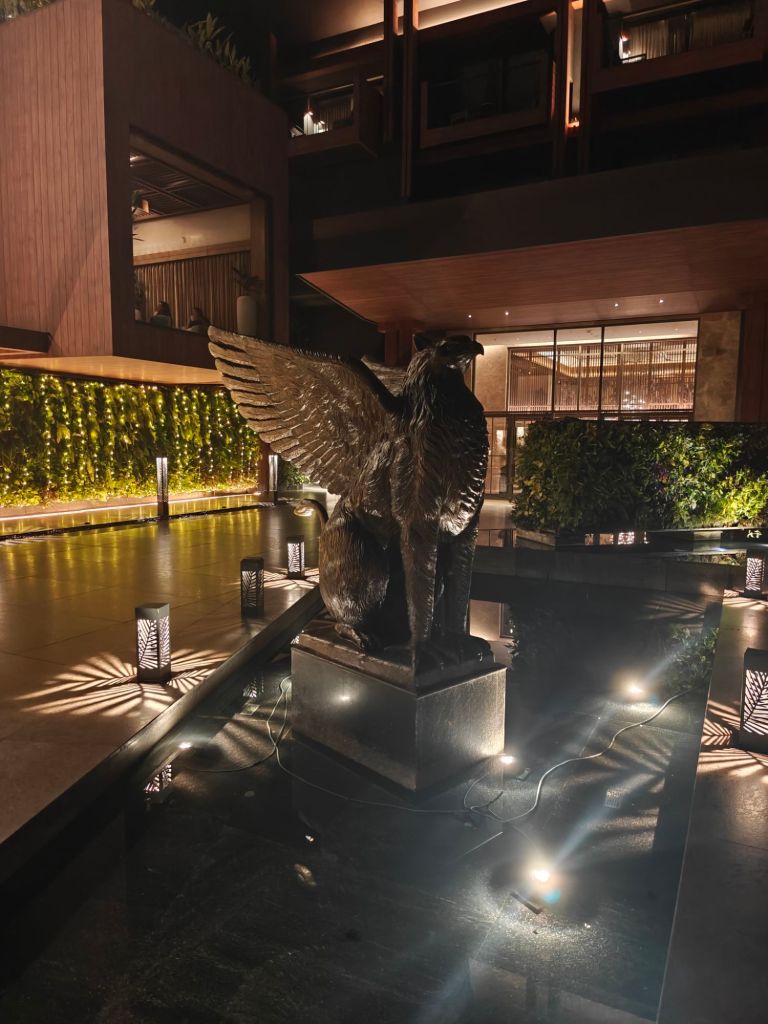
My thanks to Mr Rohit Khattar, sending in Chef Hitesh and the Indian Accent team and for being such good company around the table. And to Ravi, who knew exactly when to bring the next plate and when to leave us to our conversation. We took our time saying goodbye.

